
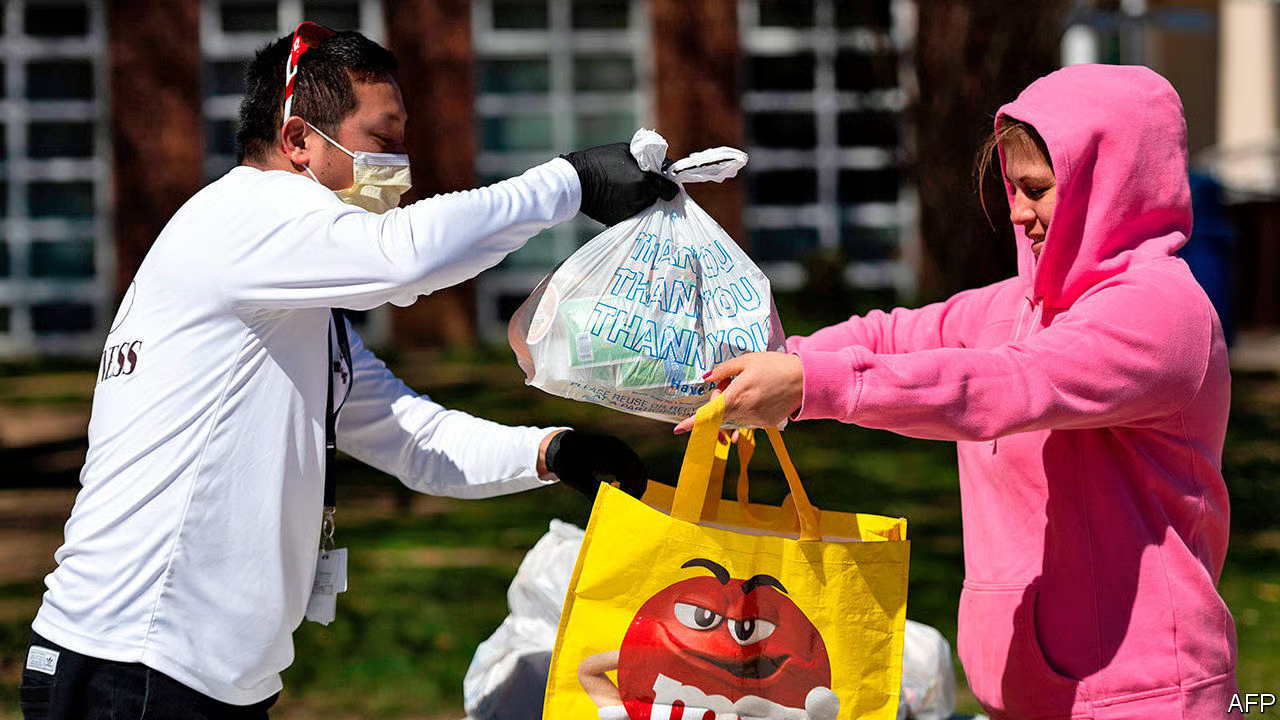
The COVID-19 pandemic served as a wake-up call, revealing significant gaps in the social safety net that many people depend on for security and support. As millions faced job losses, health crises, and economic uncertainty, the inadequacies of existing systems became glaringly evident. This article explores the critical holes in the social safety net that the pandemic highlighted, emphasizing the need for reform and improvement to better serve vulnerable populations. Understanding these gaps is essential for policymakers and advocates as they strive to create a more resilient and equitable safety net for all citizens.
Unemployment Insurance Gaps
The pandemic exposed significant gaps in the unemployment insurance system, particularly for gig workers and those in non-traditional employment. Many individuals who lost their jobs due to the pandemic were ineligible for benefits, leaving them without a safety net during a critical time.
Food Insecurity
Food insecurity became a pressing issue during the pandemic, with millions struggling to access adequate nutrition. The existing food assistance programs were insufficient to meet the skyrocketing demand, revealing the fragility of the food safety net.
Health Care Access Issues
The pandemic highlighted disparities in healthcare access, particularly for low-income individuals and communities of color. Many faced barriers such as high costs, lack of insurance, and inadequate services, exacerbating health crises during the public health emergency.
Housing Instability
Housing instability surged as millions faced eviction and homelessness. The lack of robust housing assistance programs left many vulnerable, showcasing the need for comprehensive policies to ensure stable housing for all.
Child Care Challenges
With schools and child care facilities closing, parents faced overwhelming challenges in securing care for their children. The inadequacies in child care support became apparent, revealing the need for better resources and funding for families.
Social Services Accessibility
Access to social services became increasingly difficult during the pandemic, with many agencies overwhelmed and unable to provide timely assistance. This highlighted the need for improved infrastructure and support systems to aid those in need.
Retirement Security Concerns
The pandemic raised concerns about retirement security, particularly for those nearing retirement age. Many experienced financial setbacks that jeopardized their savings, underscoring the need for stronger retirement safety nets.
| Issue | Impact | Vulnerable Groups | Policy Recommendations | Potential Solutions |
|---|---|---|---|---|
| Unemployment Insurance | Inadequate support for gig workers | Freelancers, part-time workers | Expand eligibility | Universal basic income |
| Food Insecurity | Increased hunger and malnutrition | Low-income families | Enhance SNAP benefits | Food bank support |
| Health Care Access | Worsening health disparities | Low-income individuals | Expand Medicaid | Telehealth services |
| Housing Instability | Rise in evictions | Renters, low-income households | Increase rental assistance | Long-term housing solutions |
Addressing these critical gaps in the social safety net is essential to ensure that all individuals and families have the support they need during times of crisis. The lessons learned from the pandemic should guide future reforms to create a more resilient and equitable system.
FAQs
What are the main issues in the social safety net revealed by the pandemic?
The pandemic revealed several key issues, including gaps in unemployment insurance, food insecurity, healthcare access, housing instability, child care challenges, social services accessibility, and retirement security concerns.
How can unemployment insurance be improved?
Unemployment insurance can be improved by expanding eligibility to include gig workers and freelancers, increasing benefit amounts, and streamlining the application process to ensure timely assistance.
What measures can be taken to address food insecurity?
To address food insecurity, policies can include enhancing Supplemental Nutrition Assistance Program (SNAP) benefits, increasing funding for food banks, and implementing programs to provide free meals to children in need.
Why is healthcare access important in the social safety net?
Healthcare access is crucial because it directly impacts individuals’ health outcomes and financial stability. Improved access to affordable healthcare can prevent medical bankruptcies and ensure that everyone receives necessary care.
What can be done to prevent housing instability?
Preventing housing instability requires increasing rental assistance programs, implementing eviction moratoriums, and investing in affordable housing development to ensure that everyone has a safe place to live.
